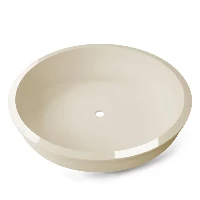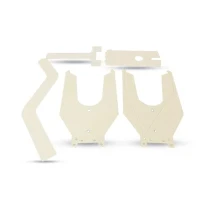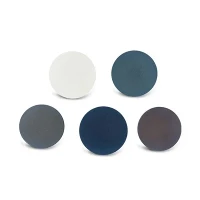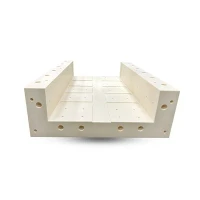

Introduction
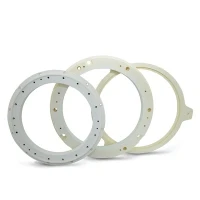
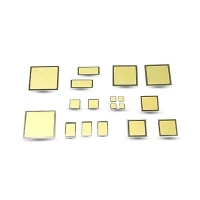
Ceramic materials have a long history of application in human production and industrial development. From everyday pottery and porcelain to precision ceramic components in modern semiconductor equipment, the scope of ceramic applications has gradually expanded from traditional areas of daily life to high-tech industrial sectors.
With advances in manufacturing technology, ceramic materials are no longer limited to traditional clay and silicate systems. Through precise control of raw material purity, chemical composition, particle size, and sintering processes, advanced ceramics have gradually evolved into a distinct material category, exhibiting unique performance characteristics such as high-temperature resistance, wear resistance, electrical insulation, and corrosion resistance.
So, what exactly is the difference between traditional ceramics and advanced ceramics? How do they differ in terms of material composition, manufacturing processes, performance characteristics, and application areas? Understanding these differences helps in selecting the appropriate ceramic material based on actual usage conditions.
What Are Traditional Ceramics?
Traditional ceramics are typically based on natural mineral raw materials, primarily silicate materials such as clay, feldspar, and quartz. These raw materials undergo processes such as blending, shaping, drying, and high-temperature firing to form ceramic products with certain mechanical strengths and physical properties.
Traditional ceramics have a long history of production, relatively mature manufacturing processes, and a wide variety of products. Common types include tableware, architectural ceramics, sanitary ware, and certain industrial ceramics.
The material properties of traditional ceramics primarily depend on the composition of the raw materials, firing temperature, pore structure, and the resulting microstructure. Different formulations and firing conditions affect the product's hardness, water absorption rate, mechanical strength, and thermal properties.
Common types of traditional ceramics include:
- Porcelain: Typically made from kaolin, feldspar, and quartz as the main raw materials, it has low water absorption and good mechanical properties. It is commonly used for tableware, sanitary ware, and decorative items.
- Pottery: Typically made from clay and fired at relatively low temperatures; some products have a certain degree of porosity and are mainly used for everyday tableware and decorative items.
- Stoneware: Fired at higher temperatures, it has a relatively dense structure and good mechanical strength, and is commonly used for tableware, containers, and building materials.
- Bricks and Tiles: Primarily made from clay and other mineral raw materials, they are widely used in construction and infrastructure.
Overall, traditional ceramics have developed primarily around mature natural mineral raw materials and conventional ceramic manufacturing processes, meeting material needs for daily life, construction, and certain industrial applications.
What Are Advanced Ceramics?
Advanced ceramics are a class of engineering materials based on high-purity inorganic non-metallic materials, prepared through precise chemical composition design and controlled manufacturing processes.
Compared to traditional ceramics, advanced ceramics place greater emphasis on raw material purity, powder characteristics, forming conditions, sintering processes, and microstructural control. By adjusting material composition and manufacturing parameters, ceramics can exhibit different mechanical, thermal, electrical, and chemical properties.
Advanced ceramics typically include material systems such as oxide ceramics, nitride ceramics, and carbide ceramics. These materials offer significant value in industrial environments involving high temperatures, wear, corrosion, insulation, and precision positioning.
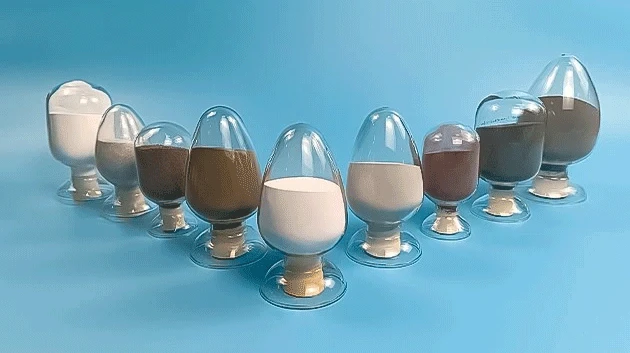
Common advanced ceramic materials include:
- Alumina ceramics: Characterized by high hardness, good electrical insulation, and wear resistance, they are commonly used in insulating parts, ceramic substrates, and precision structural components for semiconductor equipment.
- Zirconia ceramics: Possessing good fracture toughness and flexural strength, they are less prone to brittle fracture than many other ceramic materials, making them suitable for precision bearings, wear-resistant parts, and structural components.
- Yttrium oxide ceramics: These materials exhibit good resistance to various corrosive plasmas and are particularly valuable in semiconductor etching equipment, where they can be used for chamber liners, protective rings, and other components susceptible to plasma erosion.
- Aluminum nitride ceramics: Combining high thermal conductivity with electrical insulation properties, they meet the heat dissipation and electrical isolation requirements of electronic components and are commonly found in power electronics packaging and thermal management substrates.
- Silicon nitride ceramics: Possess good thermal shock resistance and mechanical fatigue resistance, making them valuable in applications involving frequent temperature changes or dynamic loads; they are commonly used in precision bearings and mechanical structural components.
- Boron nitride ceramics: These materials feature a low coefficient of friction, good electrical insulation, and ease of machining. Hexagonal boron nitride, in particular, also offers excellent thermal conductivity and is commonly used in high-temperature insulating components, crucibles, and thermal management assemblies.
- Silicon carbide ceramics: These materials possess high hardness, elastic modulus, and wear resistance, along with excellent high-temperature performance, making them suitable for mechanical seals, wear-resistant components, and semiconductor equipment components.
- Sapphire: Composed primarily of single-crystal aluminum oxide, it features high hardness, good optical transmittance, and chemical stability. It is commonly used in observation windows for semiconductor equipment, optical windows, and wear-resistant transparent components.
- Quartz/Synthetic Quartz: These materials offer excellent high-temperature resistance, chemical stability, and electrical insulation properties. Synthetic quartz, in particular, features high purity and good optical uniformity, and is commonly used in quartz tubes, quartz windows, wafer processing carriers, and optical components for semiconductor equipment.
The core characteristic of advanced ceramics lies not merely in the use of special ceramic raw materials, but in the targeted control of the final product's performance and microstructure through the integration of material design and manufacturing processes, thereby meeting the diverse demands of various industrial applications.
Key Differences Between Traditional Ceramics and Advanced Ceramics
Although both traditional ceramics and advanced ceramics are inorganic non-metallic materials, there are significant differences between them in terms of raw material selection, manufacturing processes, performance control, and application areas.
Raw Material Composition
Traditional ceramics primarily use natural mineral raw materials such as clay, feldspar, and quartz, and their chemical composition may be influenced by the mineral source and the raw material processing.
Advanced ceramics, on the other hand, typically utilize purified and finely processed industrial ceramic powders, such as alumina, zirconia, aluminum nitride, silicon carbide, and silicon nitride. The purity, particle size distribution, and chemical composition of the raw materials directly influence subsequent forming, sintering, and material performance.
Therefore, advanced ceramics generally have more specific requirements for composition control and performance design in terms of raw material selection.
Manufacturing Process
The manufacturing process for traditional ceramics typically includes steps such as raw material mixing, forming, drying, firing, and surface treatment. During production, the primary focus is on requirements such as product shape, firing quality, dimensions, and appearance.
The manufacturing of advanced ceramics, however, involves more precise process control. In addition to powder preparation and mixing, techniques such as spray granulation, dry pressing, isostatic pressing, injection molding, hot-press sintering, and pressureless sintering may also be employed.
For precision ceramic components, post-sintering machining is equally important. Depending on the product design and application requirements, follow-up processes such as grinding, polishing, precision drilling, and dimensional trimming may be necessary.
Material Properties
Traditional ceramics can meet the basic performance requirements for everyday use and certain industrial applications, such as a certain level of mechanical strength, heat resistance, and chemical stability.
Advanced ceramics, on the other hand, can exhibit different functional characteristics depending on the material system. For example, aluminum oxide has good electrical insulation properties, aluminum nitride has high thermal conductivity, silicon carbide has high hardness and wear resistance, and zirconia has good fracture toughness.
It is important to note that the performance characteristics of different advanced ceramic materials vary significantly; there is no single material that can simultaneously meet all industrial requirements.
Dimensional Accuracy and Structural Control
Traditional ceramic products typically focus on meeting basic dimensional, shape, and appearance requirements, though some architectural and industrial ceramics also have relatively strict dimensional requirements.
In the field of precision manufacturing, advanced ceramics place greater emphasis on dimensional tolerances, geometric accuracy, surface roughness, and the control of internal defects.
For example, ceramic positioning components, vacuum suction cups, and insulating parts in semiconductor equipment typically require their dimensions, shapes, and surface features to be designed according to the equipment's structure and operating conditions. Both material selection and processing techniques influence the fit of the final components.
Application Areas
Traditional ceramics are primarily used in daily life, architectural decoration, sanitary facilities, and certain industrial sectors.
Advanced ceramics, on the other hand, are more widely used in industries with specific requirements for material performance and component precision, including semiconductors and electronics, medical devices, precision machinery, energy, and the automotive sector.
For example, in the semiconductor manufacturing process, advanced ceramics can be used in components related to wafer handling, equipment insulation, precision positioning, and vacuum suction.
Traditional Ceramics vs. Advanced Ceramics
|
VS |
Traditional Ceramics |
Advanced Ceramics |
|
Main Raw Materials |
Clay, feldspar, quartz, etc. |
Oxides, nitrides, carbides, etc. |
|
Raw Material Requirements |
Primarily to meet product formulation and process requirements |
Emphasis on controlling purity, particle size, and chemical composition |
|
Manufacturing Process |
Conventional Molding and Sintering |
Fine powder processing, controlled shaping, and sintering |
|
Performance Characteristics |
Meets everyday and general industrial needs |
Materials can be engineered for specific performance characteristics |
|
Dimensional Requirements |
Depends on the product's application |
Precision components typically have stricter dimensional requirements |
|
Main Applications |
Household ceramics, architectural ceramics, sanitary ware |
Semiconductors, electronics, medical devices, precision machinery, etc. |
It should be noted that the above comparison reflects the typical characteristics of these two types of ceramics and does not imply that all traditional and advanced ceramics exhibit the same performance. Specific performance still depends on material composition, manufacturing processes, and product design.
Why Does Industrial Manufacturing Focus More on Advanced Ceramics?
As industrial equipment evolves toward greater precision, automation, and high performance, materials must withstand increasingly complex operating conditions. In certain applications, traditional metals and conventional ceramics may struggle to simultaneously meet multiple requirements such as wear resistance, electrical insulation, thermal management, and chemical stability.
By combining different material systems, advanced ceramics offer a wider range of material options to meet these industrial needs.
1. Suitable for High-Temperature Operating Conditions
Some advanced ceramics possess high heat resistance and excellent high-temperature performance, making them suitable for industrial equipment subjected to high thermal loads. For example, silicon carbide and silicon nitride can be used in certain high-temperature machinery and industrial equipment components.
2. Meeting Electrical Insulation and Thermal Management Requirements
In the fields of electronic devices and semiconductor manufacturing, materials must not only possess electrical insulation properties but may also need to exhibit a certain degree of thermal conductivity. Aluminum oxide and aluminum nitride play distinct roles in electrical insulation and thermal management applications, respectively.
3. Resisting Wear and Chemical Corrosion
Some advanced ceramics possess high hardness and wear resistance, making them valuable for use in equipment subject to friction, particle erosion, or contact with chemical media. For example, alumina and silicon carbide can be used in related wear-resistant components.
4. Meeting the Design Requirements for Precision Components
In semiconductor equipment and precision machinery, the dimensions, structure, and surface condition of components can directly affect equipment assembly and operation. By combining advanced ceramics with precision machining processes, functional components with complex structures and specific dimensional requirements can be manufactured.
Applications of Advanced Ceramics in Semiconductor Manufacturing
Advanced ceramics are widely used in semiconductor manufacturing processes for wafer handling, vacuum adhesion, equipment insulation, and high-temperature processes.As wafer processing precision and equipment operational requirements increase, different components impose varying demands on material hardness, wear resistance, electrical insulation, thermal conductivity, and corrosion resistance. Materials such as aluminum oxide, zirconia, aluminum nitride, silicon carbide, and yttrium oxide are utilized in various semiconductor equipment components due to their respective performance characteristics.
Wafer Handling and Precision Alignment
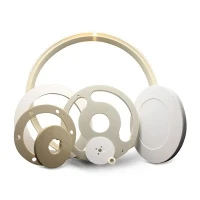
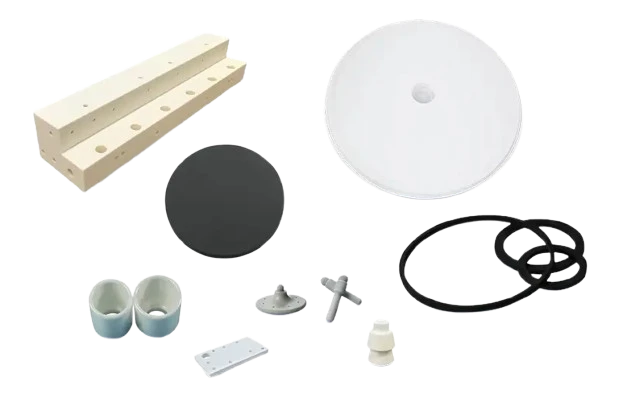
During the wafer manufacturing process, wafers must be handled, transferred, and positioned between different process equipment. Thanks to their excellent hardness, wear resistance, and dimensional stability, advanced ceramics can be used in precision structural components of certain wafer handling equipment.
Common Ceramic Components:
These components are primarily used for wafer handling, support, and positioning; their specific designs must be tailored to match the equipment's specifications.
Vacuum Suction and Fixation of Wafers
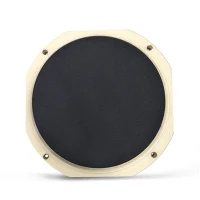
During wafer processing, inspection, and handling, vacuum suction assemblies are used to secure wafers and minimize positional shifts while the equipment is in operation. Porous ceramic materials utilize their internally interconnected pores to form vacuum channels, enabling the suction and support of wafer surfaces.
Common Ceramic Components:
- Ceramic Vacuum Suction Cups
- Porous ceramic discs
- Ceramic Support Plates
These components are primarily used for wafer adhesion, support, and positioning, and require attention to pore structure, flatness, and surface quality.
Insulation and Structural Support in Semiconductor Equipment
Certain electrical structures and functional components in semiconductor equipment must possess excellent insulation properties while also meeting the equipment's internal installation, support, and structural connection requirements. Aluminum oxide ceramics, due to their electrical insulation properties, are widely used in such equipment components.
Common Ceramic Components:
These components can be used for electrical isolation, gas transport, and structural protection within equipment; their specific applications depend on the equipment design.
Plasma Processes and Corrosion Protection
In processes such as semiconductor etching, certain internal components of the equipment come into contact with plasma and reactive chemicals, placing high demands on the materials' corrosion resistance. Materials such as yttrium oxide ceramics and alumina ceramics can be used for relevant equipment components based on specific process conditions.
Common Ceramic Components:
These components are primarily used for structural protection within the equipment, process isolation, and protection of related functional areas; material selection must take into account the type of plasma and the chemical environment.
High-Temperature Process and Thermal Management Components
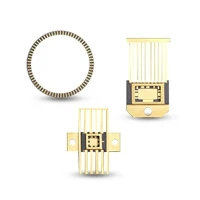
Some semiconductor manufacturing processes involve high operating temperatures and precise thermal control; therefore, equipment components must possess the appropriate heat resistance or thermal conductivity. Advanced ceramic materials such as aluminum nitride and silicon carbide can be used in various types of high-temperature and thermal management applications.
Common Ceramic Components:
The requirements for ceramic materials vary across different stages of semiconductor manufacturing. In practical applications, a comprehensive evaluation must be conducted that takes into account equipment structure, process conditions, material properties, and component processing requirements-rather than determining the material selection based solely on the individual properties of a single material.
How to Select the Right Ceramic Material?
Traditional ceramics and advanced ceramics each have their own suitable applications; material selection should not focus solely on the material name or individual performance metrics, but rather be based on an evaluation of the product's actual operating conditions.
During the selection process, the following aspects should be given priority consideration:
- Operating Temperature: Understand the temperatures the component must withstand during actual operation and whether frequent temperature fluctuations occur.
- Mechanical Loads: Evaluate the material's strength, hardness, and fracture toughness based on the pressure, impact, friction, and vibration the component will endure.
- Electrical Properties: For electronic and semiconductor devices, pay attention to the material's resistivity, dielectric properties, and insulation requirements.
- Thermal Properties: If the component involves heat transfer or temperature control, consider thermal conductivity, coefficient of thermal expansion, and thermal stability.
- Chemical Environment: Evaluate the material's corrosion resistance based on the gases, liquids, chemical media, and process conditions it will actually encounter.
- Processing and Assembly Requirements: Determine whether the material is suitable for subsequent processing and assembly by considering the product's structure, dimensional tolerances, surface roughness, and equipment interfaces.
For example, different ceramic components in semiconductor equipment may be made from different materials. Aluminum oxide can be considered for parts requiring electrical insulation; aluminum nitride can be evaluated for applications requiring both thermal conductivity and electrical insulation; and materials such as silicon carbide or zirconia can be considered for components subject to high wear and mechanical loads.
Therefore, sound material selection requires a comprehensive consideration of material properties, component structure, manufacturing processes, and the actual operating environment, rather than simply comparing the performance parameters of a single material.
Tessvida: Synergy in the Supply of Advanced Ceramic Materials and Precision Components
With the development of the semiconductor and precision manufacturing industries, the applications of advanced ceramics continue to expand in areas such as equipment structures, wafer processing, electrical insulation, and thermal management. Different equipment and components impose varying requirements on the performance, structure, and dimensions of ceramic materials, making synergy between material selection and product development increasingly important.
Tessvida specializes in advanced ceramic products, including ceramic materials such as alumina, zirconia, aluminum nitride, and silicon carbide. We provide integrated R&D, manufacturing, and supply services tailored to the component requirements of semiconductor equipment and precision industrial applications.
If you are seeking advanced ceramic materials and precision components suitable for specific equipment or industrial applications, please contact Tessvida to discuss material selection, product design, and supply requirements, so we can work together to explore solutions that meet your project's requirements.